
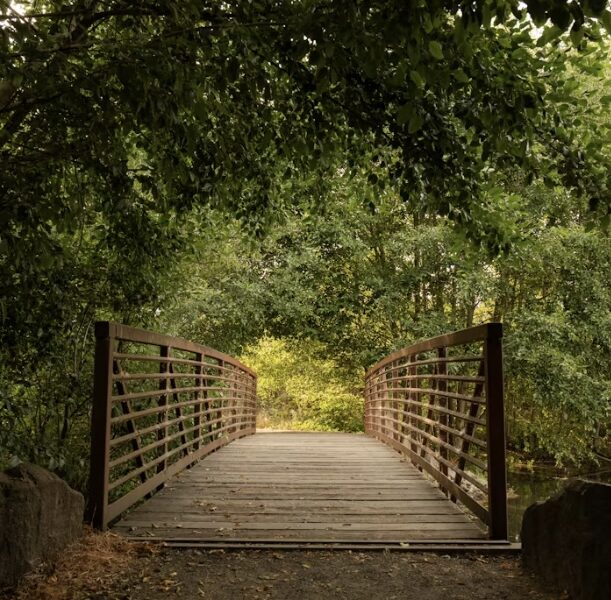
The Importance of Being in Nature for Health and Wellbeing
In an era dominated by screens, and schedules, the call of nature often feels like a distant whisper. Yet, the benefits of spending time in natural environments are profound, touching every aspect of our health and wellbeing. From boosting your mood to enhancing physical health, fostering creativity, and nurturing emotional resilience, nature offers a holistic remedy for the stresses of modern life. Immersing ourselves in nature cultivates beauty from the inside out, transforming our physical, mental, and emotional health.
The Healing Power of Nature on Mental Health
One of the most immediate and well-documented benefits of spending time in nature is its positive impact on mental health. Studies consistently show that exposure to natural environments reduces stress, anxiety, and depression while boosting mood and emotional wellbeing. The concept of “biophilia,” our innate connection to the natural world, suggests that humans are hardwired to thrive in environments rich with greenery, water, and open skies.
Stress Reduction and Cortisol Levels
When we step into a forest, walk along a beach, or sit in a park, our bodies respond almost instantly. Research from Aarhus University in Denmark found that spending just 20 minutes in a natural setting can significantly lower cortisol levels, the hormone associated with stress. Lower cortisol levels not only help us feel calmer but also reduce the risk of stress-related conditions such as heart disease, obesity, and weakened immune function.
The sights and sounds of nature—rustling leaves, chirping birds, or the gentle lapping of waves—act as natural soothers. Unlike the constant stimulation of urban environments, which can overwhelm our senses, nature provides a restorative experience. This phenomenon, known as Attention Restoration Theory (ART), posits that natural environments allow our brains to recover from mental fatigue, improving focus and cognitive function.
Mood Enhancement and Emotional Wellbeing
Nature has a remarkable ability to lift our spirits. A 2019 meta-analysis published in Scientific Reports found that spending time in green spaces was associated with reduced symptoms of depression and anxiety, as well as increased feelings of happiness and wellbeing. Whether it’s a hike through a forest or a quiet moment by a lake, nature fosters a sense of joy and connection that can shift our perspective, helping us feel more grounded and hopeful.
This mood-boosting effect is partly due to the release of serotonin, a neurotransmitter linked to happiness. Sunlight exposure, often a byproduct of time spent outdoors, increases serotonin production, which is why a walk in the park on a sunny day can leave us feeling invigorated. Additionally, physical activity in nature, such as hiking or gardening, combines exercise with natural immersion, amplifying these mood-enhancing benefits.
Physical Health Benefits of Nature
Beyond mental health, spending time in nature has tangible benefits for physical health. From improving cardiovascular function to boosting immunity, nature acts as a natural prescription for a healthier body.
Improved Cardiovascular Health
Physical activity in natural settings, such as walking, cycling, or jogging, not only promotes fitness but also enhances cardiovascular health. A study published in Environmental Research found that people who regularly engage in outdoor activities have lower blood pressure and a reduced risk of heart disease compared to those who primarily exercise indoors. The combination of fresh air, moderate exercise, and the calming effects of nature creates a powerful synergy for heart health.
Boosted Immune Function
Nature also strengthens our immune systems. The practice of “forest bathing” (shinrin-yoku), a Japanese tradition of immersing oneself in a forest environment, has been shown to increase the activity of natural killer (NK) cells, which play a critical role in fighting infections and cancer. Phytoncides, the natural oils emitted by trees, are believed to contribute to this immune-boosting effect. A 2010 study in Environmental Health and Preventive Medicine found that participants who spent time in a forest had significantly higher NK cell activity compared to those in urban environments.
Enhanced Sleep Quality
Spending time outdoors can also improve sleep quality, which is essential for overall health. Exposure to natural light helps regulate our circadian rhythms, the internal clocks that govern sleep-wake cycles. A study from the University of Colorado found that camping for a weekend—away from artificial light and screens—reset participants’ circadian rhythms, leading to better sleep. Improved sleep, in turn, supports everything from cognitive function to emotional stability and physical recovery.
Cognitive and Creative Benefits
Nature doesn’t just heal our bodies and minds; it also sharpens our intellect and sparks creativity. Whether you’re solving a complex problem or seeking inspiration, stepping into nature can unlock new ways of thinking.
Enhanced Cognitive Function
Spending time in nature has been shown to improve memory, attention, and problem-solving skills. A 2008 study from the University of Michigan found that participants who walked in a park performed 20% better on memory and attention tests compared to those who walked in an urban environment. This cognitive boost is particularly valuable in our fast-paced world, where mental overload is common.
Sparking Creativity
Nature also fosters creativity by providing a space for free thought and imagination. Writers, artists, and innovators have long sought solace in natural settings to spark inspiration. A 2012 study in PLOS One found that backpackers who spent four days in nature without access to technology showed a 50% increase in creative problem-solving abilities. The tranquility and beauty of nature allow our minds to wander, making connections that might not emerge in a more structured environment.
Nature and Social Connection
Humans are social creatures, and nature provides a unique backdrop for fostering meaningful connections. Whether it’s a family picnic, a group hike, or a community gardening project, time spent in nature encourages social bonding and strengthens relationships.
Building Community
Community gardens and park clean-up initiatives are excellent examples of how nature can bring people together. These activities not only promote environmental stewardship but also create opportunities for collaboration and camaraderie. A 2013 study in American Journal of Public Health found that participation in community gardening was linked to increased social cohesion and reduced feelings of loneliness.
Strengthening Family Bonds
For families, outdoor activities like camping or nature walks provide a chance to disconnect from daily distractions and reconnect with one another. These shared experiences create lasting memories and strengthen emotional bonds, contributing to overall family wellbeing.
Emotional Nourishment Through Nature
Nature offers a profound source of emotional nourishment, helping us cultivate resilience, joy, and a sense of inner peace. By stepping into natural environments, we create space to process emotions, find balance, and reconnect with ourselves.
Cultivating Mindfulness
Nature encourages mindfulness, the practice of being fully present in the moment. Whether it’s listening to the wind rustle through trees or watching a sunset, nature invites us to slow down and savor the present. This mindfulness practice has been linked to reduced stress and increased emotional resilience, helping us navigate life’s challenges with greater ease. A 2015 study in Landscape and Urban Planning found that individuals who practiced mindfulness in natural settings reported lower levels of emotional distress and greater feelings of calm.
Fostering Emotional Resilience
Spending time in nature can also help us process difficult emotions and build emotional strength. The vastness of a forest or the rhythm of ocean waves can put our worries into perspective, reminding us that challenges are temporary. This sense of perspective fosters emotional resilience, enabling us to cope with stress and adversity more effectively. Research from Stanford University showed that participants who walked in natural settings reported lower levels of rumination—the repetitive negative thinking associated with anxiety and depression—compared to those in urban environments.
A Sense of Joy and Connection
Nature evokes a sense of joy and connection that nourishes our emotional wellbeing. The simple act of observing a vibrant wildflower or hearing a bird’s song can spark moments of delight that uplift our spirits. These experiences also foster a sense of interconnectedness with the world around us, reducing feelings of isolation and promoting emotional balance. A 2020 study in Emotion found that exposure to natural beauty increased positive emotions and strengthened feelings of connectedness, both to nature and to others.
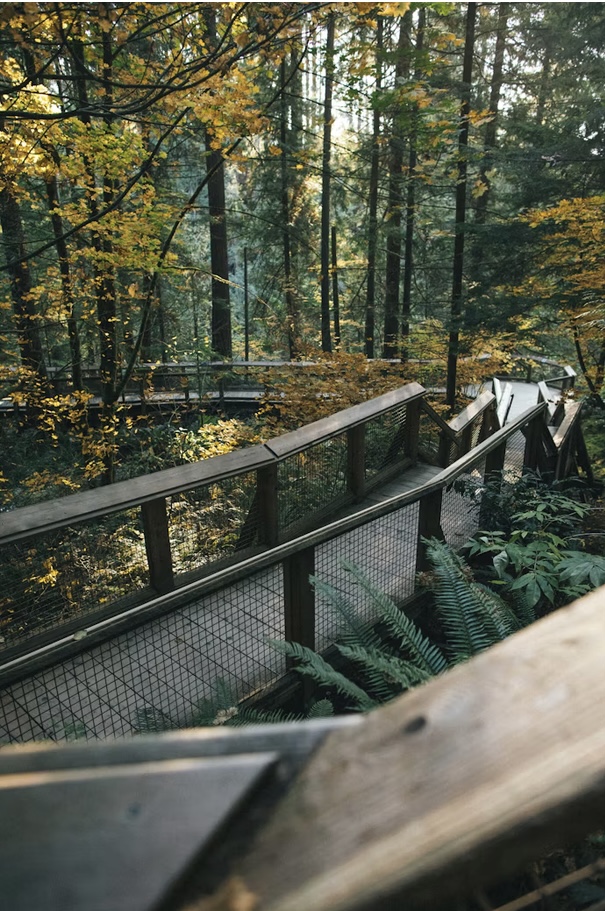
Practical Ways to Incorporate Nature into Your Life
Given the overwhelming evidence of nature’s benefits, how can we make time for it in our busy lives? Here are some practical tips to integrate nature into your daily routine:
- Start Small: You don’t need a wilderness adventure to reap the benefits of nature. Visit a local park, sit by a tree, or tend to a small garden. Even a 10-minute walk in a green space can make a difference.
- Make It Routine: Schedule regular outdoor time, whether it’s a morning jog, an evening stroll, or a weekend hike. Consistency amplifies the benefits.
- Engage Your Senses: Take time to notice the sights, sounds, and smells of nature. Practice mindful observation to deepen your emotional connection.
- Combine Activities: Pair nature with other healthy habits, like exercising, or socializing. For example, join a walking group in a park.
- Limit Screen Time: Reduce distractions by leaving your phone behind or turning it off during your time in nature. This allows for a more immersive experience.
- Bring Nature Indoors: If outdoor time is limited, incorporate plants, natural light, or nature-inspired decor into your home or workspace.
Nature as a Path to Inner Beauty
The phrase “beauty from the inside out” takes on new meaning when we consider the transformative power of nature. By nurturing our mental, physical, and emotional health, nature helps us radiate a sense of vitality and authenticity. The calm confidence that comes from a walk in the woods, the joy sparked by a vibrant sunset, and the clarity gained from a moment of stillness all contribute to a deeper sense of self.
In a world that often pulls us inward—toward screens, stress, and self-doubt—nature offers a gentle invitation to step outside, breathe deeply, and reconnect with what truly matters. By embracing the healing power of the natural world, we not only enhance our health and wellbeing but also cultivate a beauty that shines from within.
Conclusion
The importance of spending time in nature cannot be overstated. From reducing stress and boosting mood to improving physical health, sparking creativity, and nourishing emotional resilience, nature is a powerful ally in our quest for a healthier, happier life. By making time to immerse ourselves in the natural world, we nurture our bodies, minds, and emotions, fostering a sense of beauty that radiates from the inside out. So, the next time you feel overwhelmed or disconnected, step outside. Let the trees, the sky, and the earth remind you of the resilience and joy that lie within you.